How Temperature Affects Lubricant Viscosity: What We See in Cold and Heat
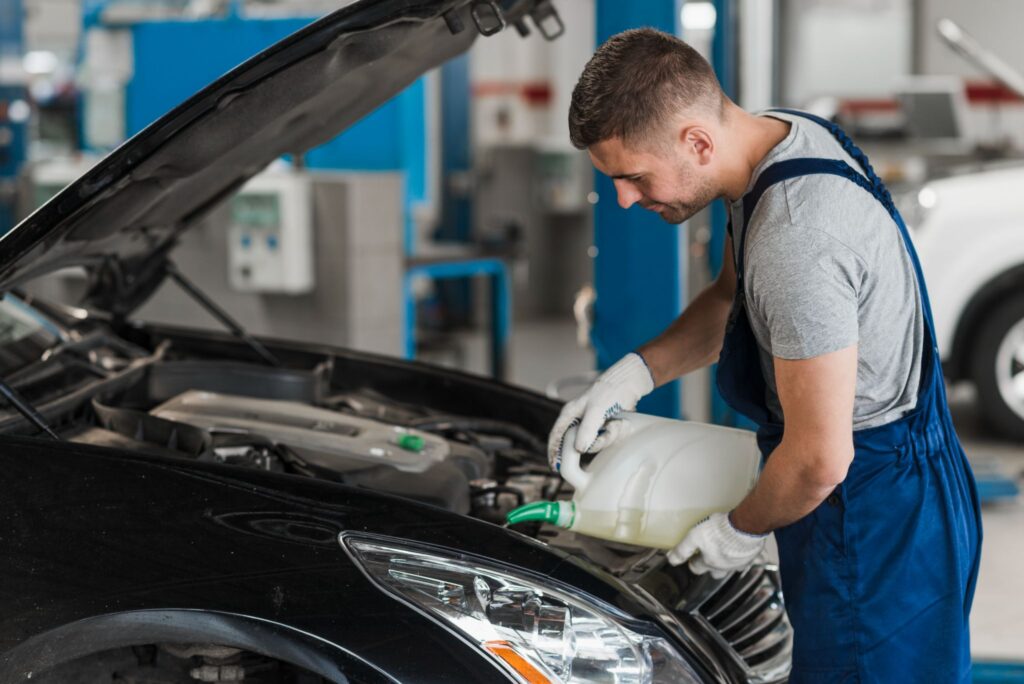
Lubricant viscosity drops as temperature rises and increases as temperature falls. Cold oil is thicker and flows more slowly, which can delay lubrication at startup. Hot oil is thinner and flows easily, but if it thins too far, it may not hold the protective film that separates moving parts. When we help customers at Young’s Lubricants choose a product, temperature is one of the application variables we work through, alongside speed, load, vibration, and moisture. The right lubricant is the one whose viscosity stays in range across the temperatures your equipment actually reaches.
This applies to engines, gearboxes, hydraulic systems, compressors, and bearings alike. Below, we cover how temperature affects lubricant viscosity, why equipment temperature often differs from the weather, and what to gather before you choose a lubricant.
What Viscosity Actually Measures
Viscosity is a fluid’s resistance to flow. Honey has a higher viscosity than water, and a heavy gear oil has a higher viscosity than a light hydraulic fluid. Because every lubricant’s viscosity changes with temperature, a viscosity number only means something when it is tied to a temperature. That is why the two rating systems you will see most often specify one:
- Industrial oils are commonly classified by ISO viscosity grade (ISO VG), such as VG 32, 46, or 68. The number is the oil’s viscosity at 40°C.
- Engine oils use SAE grades such as 5W-30. The number before the “W” (for winter) relates to cold-temperature flow. The second number relates to viscosity at operating temperature.
The most common way to go wrong is to match a grade out of habit or by what is on hand rather than by the equipment’s specification. We recommend starting with the manufacturer’s stated grade every time.
What Happens When Oil Is Too Thick or Too Thin
Both extremes can cause lubrication problems, in different ways.
Cold conditions
Thick oil circulates more slowly. Think of a delivery truck starting on a January morning: until the oil warms up, it takes longer to reach the components that depend on it. The same principle applies to a hydraulic system in an unheated building, where the machine can respond sluggishly at startup because the fluid is resisting flow. If the lubricant isn’t suited to the conditions, startup is where the mismatch shows first.
Hot conditions
Oil thins as it heats. Consider a hydraulic press or gearbox running a full shift under heavy load. If the lubricant is too light for those temperatures, the film between surfaces may be thinner than the equipment was designed for, which can raise friction and wear over time.
Depending on the equipment and operating conditions, a viscosity mismatch can contribute to:
- Faster component wear
- Lower efficiency
- Higher operating temperatures
- More frequent repairs and unplanned downtime
These problems usually build gradually rather than causing an immediate failure, which is why they are easy to overlook until a repair is needed.
Ambient Temperature Isn’t the Whole Story
The outdoor forecast is only part of the picture. What matters most is the temperature of the lubricant inside the equipment, and that depends on:
- Load: heavier work generates more heat.
- Speed: faster-moving parts create more friction.
- Pressure: hydraulic and compressor systems can heat the fluid as they work.
- Run time: continuous operation lets heat build over a shift.
- Enclosure and airflow: equipment in tight or poorly ventilated spaces can run hotter than the room around it.
A machine in a climate-controlled plant can still run hot, and a truck in a mild region can still work hard enough to stress its oil. That is why we look at the whole application rather than temperature alone. A lubricant has to handle both the cool startup and the temperature the equipment reaches once it is working.
What Is Viscosity Index?
Viscosity index (VI) describes how much a lubricant’s viscosity changes as temperature changes. In general, a higher VI means the viscosity shifts less across a temperature range. Multigrade engine oils and many hydraulic fluids are formulated with this behavior in mind.
VI matters most when equipment sees wide temperature swings, such as outdoor machinery, seasonal fleets, or systems that start cold and then run hot. It is one factor among several, alongside viscosity grade, manufacturer approvals, and the application.
How to Choose a Lubricant for Your Temperature Range
- Start with the manufacturer’s specification- The equipment manual lists the recommended viscosity grade and any required performance standards.
- Note the real temperature range- Include the coldest startup and the hottest operating conditions, not just the outdoor range.
- Consider the duty cycle- Continuous heavy loads and short, intermittent use place different demands on a lubricant.
- Account for condition and environment- Dust, moisture, and vibration also influence selection, so mention them when asking for a recommendation.
- Review seasonal needs- If equipment runs year-round outdoors, check whether one grade suits both winter and summer or whether a seasonal change is appropriate.
If your conditions differ from what the manufacturer assumed, such as extreme cold, sustained high heat, or unusually heavy loads, contact the manufacturer or a lubricant specialist to confirm whether another specification is appropriate.
Getting the Match Right With Local Support
Weather often gets the blame when equipment struggles, but the underlying issue is frequently a lubricant that doesn’t fit the operating conditions. Our sales team has over 150 years of combined experience with lubricants and lubrication equipment, and we use it to help you determine which product suits your application from the brands and lubricant types we carry.
If you’re sourcing industrial lubricants for plant equipment, or you run a fleet that works through Pennsylvania winters and summers, that conversation is the practical first step. Having the equipment make and model, the manufacturer’s recommended grade, and typical operating temperatures ready makes it faster.
Not sure which lubricant or viscosity grade fits your equipment? Talk to a Young’s Lubricants specialist about your application before you order.
FAQs
Does operating temperature matter more than outdoor temperature?
Not always, but it can. Ambient temperature affects startup conditions, while load, speed, pressure, and run time drive the temperature the lubricant sees in operation. The lubricant needs to suit both.
Can I use a different viscosity grade than the manufacturer recommends?
Use the manufacturer’s specification as your starting point. If extreme temperatures or heavy duty make you consider a different grade, confirm with the manufacturer or a lubricant specialist first.
Do synthetic lubricants handle temperature changes better?
Many synthetics are formulated to keep useful viscosity characteristics across a wider temperature range than comparable conventional products. The right choice still depends on the equipment’s requirements and operating conditions.
Should I change lubricants between seasons?
Some equipment does well on one grade year-round, particularly with multigrade products. Equipment exposed to large temperature swings may benefit from a seasonal review against the manufacturer’s guidance and actual operating temperatures.
What should I have ready when asking for a recommendation?
Equipment type, make and model, the specified grade or approval, typical and extreme operating temperatures, load and duty cycle, and any current problems such as sluggish startup or overheating.